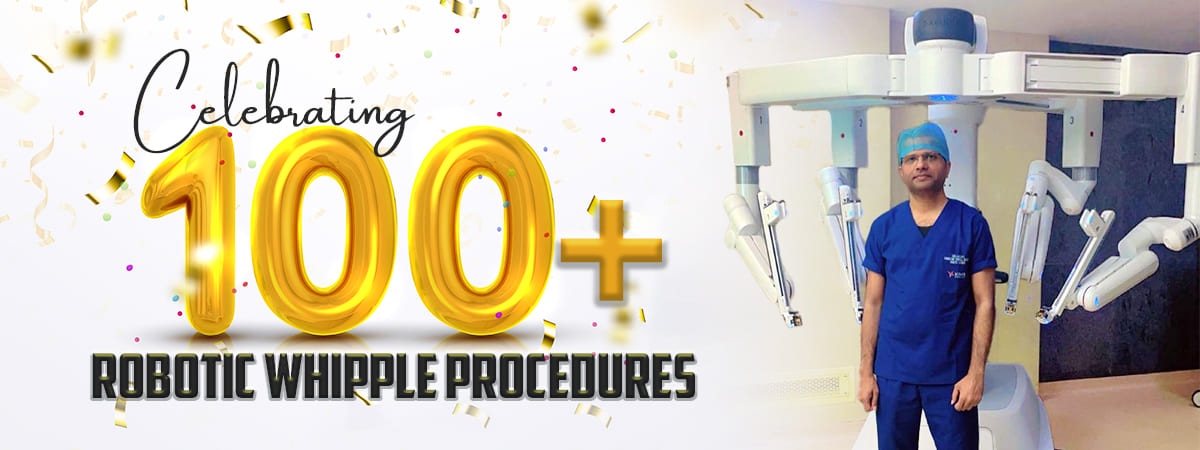
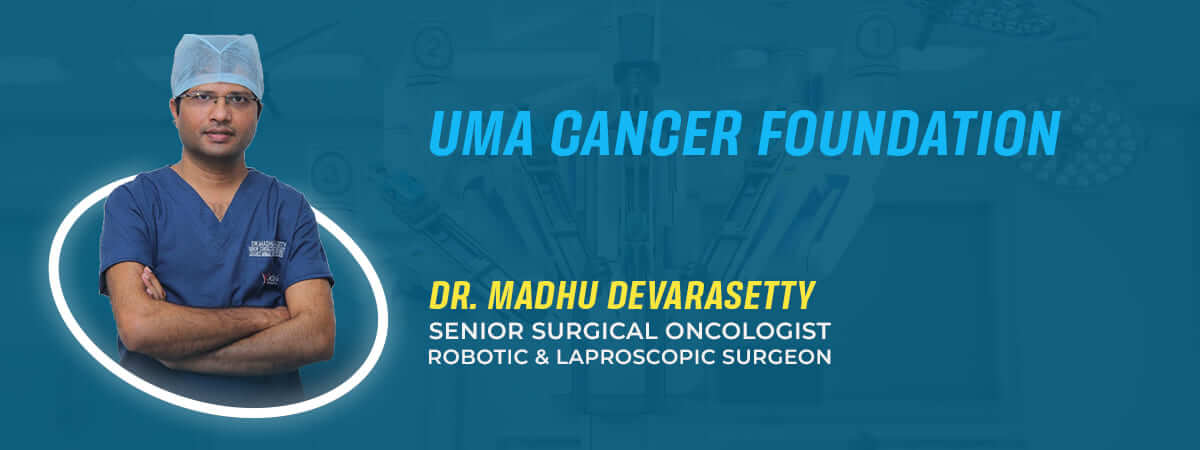
Cancer care has rapidly advanced over the past few decades, necessitating a new breed of specialists to keep pace with these changes. For instance, Dr. Madhu Devarasetty, a distinguished surgical oncologist in Hyderabad, is renowned for his expertise in cancer treatment. Notably, with a focus on innovative surgical procedures, he stands out for his commitment to delivering high-quality and comprehensive care to his patients.
As a result, the paradigm of cancer care continues to shift towards a multidisciplinary model. In this regard, Dr. Madhu Devarasetty ensures that his patients receive the most cutting-edge and personalized treatments available. Moreover, his commitment to staying abreast of the latest advancements underscores his dedication to providing optimal care in the ever-evolving field of oncology.
Book Appointment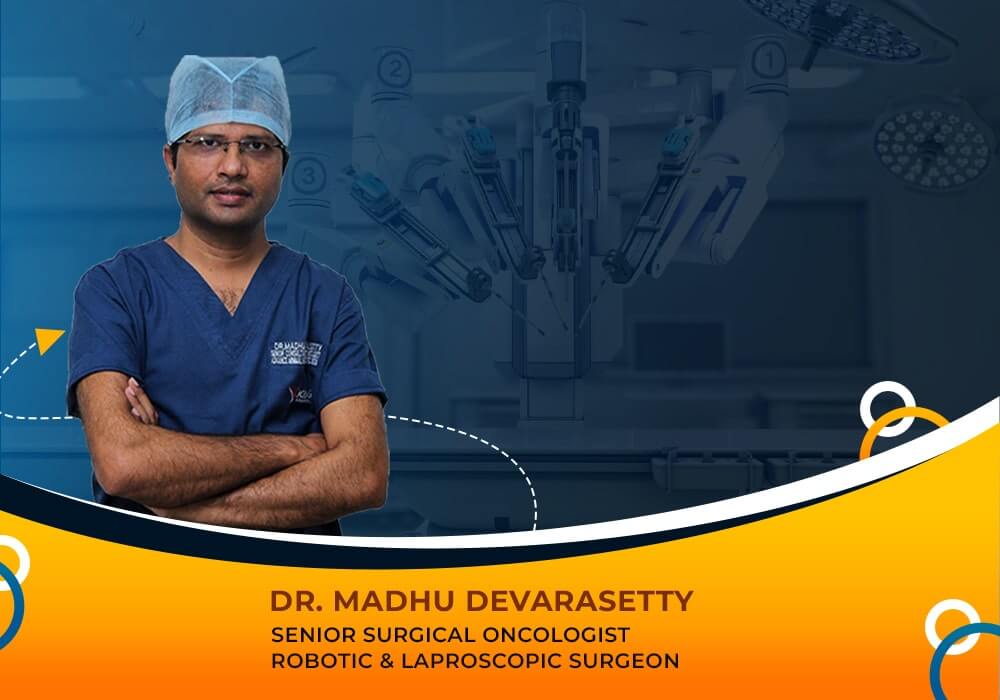
Dr Madhu Devarasetty is the best robotic surgeon and surgical oncologists in Hyderabad.
Bringing together advanced surgical precision and compassionate care, Dr. Madhu Devarasetty leads the way in personalized solutions against cancer. Experience a unique blend of expertise and empathy, where every step is a stride towards healing and hope.
Consult NowYears of Experience
Robotic Surgeries
Happy Patients
Awards Received
At Uma Cancer Foundation, our team stands out as a collective of premier surgical oncologists and radiation oncologists in Hyderabad. Specializing in brain tumors, breast cancer, cervical cancer, and various other malignancies, our top cancer doctors bring a wealth of knowledge and skill to deliver exceptional, individualized care.
Meet Dr. Madhu Devarasetty, an esteemed cancer specialist at Uma Cancer Foundation in Hyderabad. With a reputation as one of the best surgical oncologist, Dr. Madhu Devarasetty brings exceptional expertise and compassionate care to the forefront of cancer treatment Leveraging state-of-the-art technology for diagnostics and robotic surgery, we prioritize quick recovery through modern and personalized interventions, making us a unique destination for comprehensive cancer care in Hyderabad.
Narsing Guduru

My wife Saraswathi underwent total Thyroidectomy .by senior Robotic Surgeon in India dr.madhu.d kims hospitals secunderabad .uma cancer foundation.I Recommended to meet dr.madhu.d for surgerys n caring . Cool explanation.good recovery. Thanq madhu sir nd team thank you all
Gaddam Ashok
My Wife Gadam Prasanna Underwent Breast Mastectomy Surgery by dr.madhu.d Sr.Robotic Surgeon in hyderabad, kimas hospitals Secunderabad. Uma cancer foundation. 5th day post op recovery good. We are very happy dr madhu sir treatment.bhis team also excellent.thank you madhu sir thanq prabha for helping to guide all. Thank you to all
Ugge Subhash
I am Subhash underwent gist high Risk Surgery done by Sr.Robotic Surgeon in India Dr.madhu.d , kims Hospitals Secunderabad. Doctor team also excellent . Recovery nicely . Thank you dr.madhu sir . I am highly recommend any cancer diagnosis and also high Risk cases sir will deal cool thank you sir and team all.
Anuradha Mavilla
I am Anuradha came to dr.sandeep sir advised to meet dr.madhu sir, for un contoll high bp , palpations for that after Ct report he advised Adrenalectomy . I underwent minimal invaise adrenalectomy . recovery is good bp is normal now . We r satisfied for dr.madhu sir nd team thanq very much . I highly recommend to with dr.madhu.d senior robotic surgeon. Thank you all.
J Thanush Reddy
My Self Jonnala Anitha I have breast Lumpectomy done by Senoir Robotic Surgeon By dr.madhu d, uma cancer foundation . Kims hospitals secundrabad.Thank you Madhu Sir nd team doctors. And prabhavathi thank you much dr nd team
Alamuri Venkateswarlu
I am chinna venkateswarlu underwent left careted tumor by sr robotic surgeon dr.madhu.d .in kims hospitals uma cancer foundation iam very satisfied recovery is good .team also excellent thanq madhu sir nd team prabha nd all .iam highly recommended to dr.madhu sir.
Ayesha fatima
My Sister Asma Begum underwent Breast Mrm nd Liver node resection in one time by Senior Robotic Surgeon Dr.madhu d kims hospitals uma cancer foundation. Recovery is nicely we are satisfied madhu sir surgery for caring team also all of you thank you so much . Than you prabha thanq all
Look for a surgeon who has experience with your particular cancer and the operation being considered. Dr. Madhu Devarasetty is a Senior Consultant Surgical Oncologist and Minimal Invasive Robotic Surgeon in Hyderabad, with 20+ years of experience and 1,000+ robotic surgeries listed on his website.
Laparoscopic surgery can be useful for selected cancer operations when the tumour can be treated safely through a minimally invasive approach. Dr. Madhu Devarasetty provides laparoscopic cancer surgery in Hyderabad, with the final approach decided according to the individual case.
A second opinion can give you a clearer understanding of your diagnosis, proposed operation and other possible treatment approaches. It can be particularly helpful before a major or complex cancer procedure.
Consider the surgeon’s experience with your type of cancer, the procedures they perform and how clearly they explain your options. You should also feel comfortable asking about surgical risks, recovery and whether other treatments may be needed.
A cancer surgeon may operate on solid tumours when surgery forms part of treatment. Dr. Madhu Devarasetty’s website lists breast, thyroid, lung, kidney, colon, head and neck, brain and cervical cancers among the conditions managed through his oncology practice.
An operation may be considered when a tumour is localised enough to be removed safely or when surgery has an important role in controlling the disease. The decision is based on the cancer type, stage, location, spread and the patient’s overall health.
Robotic-assisted surgery allows the surgeon to control specialised instruments through small incisions while viewing the operating area in detail. Dr. Madhu Devarasetty’s practice focuses on minimally invasive robotic cancer surgery in Hyderabad and lists 1,000+ robotic surgeries on the website.
Robotic surgery can offer a minimally invasive option for selected operations, but it is not automatically the best choice for every cancer patient. Dr. Madhu Devarasetty’s approach is to select the surgical method according to the cancer and the procedure required.
Yes, breast-conserving surgery may allow the tumour to be removed while preserving much of the breast in suitable patients. The decision depends on factors such as tumour size, location and the overall cancer treatment plan. If you notice a new breast lump, unusual nipple discharge or persistent skin changes, seek medical evaluation rather than waiting for symptoms to settle.
Lymph node examination can show whether breast cancer cells have spread beyond the breast. This information helps the cancer team determine the stage of disease and decide whether additional treatment may be appropriate.
Minimally invasive surgery may be an option for selected kidney cancer cases, depending on the tumour and the patient’s condition. Factors such as tumour size, location, kidney function and nearby structures are considered before choosing the surgical approach. Blood in the urine or a persistent lump or discomfort in the side should be medically evaluated, especially if the symptom continues.
CT scans are commonly used to evaluate a kidney tumour and look for possible spread. MRI can provide additional detail in selected situations, with the imaging choice depending on what doctors need to determine about the tumour.
Chemotherapy may be included when medicines are needed to control or destroy lung cancer cells. Depending on the cancer type and stage, it can be used before surgery, after surgery or alongside other treatments.
The stage helps doctors understand the extent of lung cancer and whether it can be treated locally or needs wider treatment. Surgery, chemotherapy, radiation, targeted therapy or immunotherapy may be considered alone or in combination based on the individual case.
For selected head and neck cancers, minimally invasive techniques may be considered when the tumour’s location and extent make them appropriate. Dr. Madhu Devarasetty’s practice includes head and neck surgical oncology and minimally invasive robotic surgery. A neck lump, a mouth ulcer that does not heal within about three weeks, or persistent hoarseness should be assessed by a doctor.
A biopsy of an enlarged lymph node or affected tissue is generally needed to confirm Hodgkin’s lymphoma. Imaging and blood tests can then help determine the extent of the disease and support treatment planning.
Doctors consider where the cancer began, its size, stage and involvement of nearby tissues or lymph nodes. Surgery may be chosen when removing the tumour is considered safe and appropriate within the patient’s overall treatment plan.
Imaging such as CT or MRI can help doctors examine the kidney and look for cancer in nearby or distant areas. These findings are combined with clinical information to determine the extent of disease and plan treatment.
Yes, chemotherapy is an important treatment for many people with Hodgkin’s lymphoma. Depending on the disease and individual circumstances, the cancer team may also consider radiation or other treatments.
Laparoscopic surgery can be considered for selected colon cancer operations when a minimally invasive approach is suitable. Dr. Madhu Devarasetty’s surgical oncology practice lists laparoscopic treatment among its cancer surgery services. Blood in the stool or a persistent change in bowel habits should be checked by a doctor rather than ignored.
A colectomy removes part of the colon containing the disease, with the remaining bowel often reconnected when appropriate. For colon cancer, it may be recommended when removing the affected section is needed to treat the tumour.
Complete removal is possible for some brain tumours, but it is not always safe or achievable. The decision depends on the tumour’s type, size and position, particularly its relationship to important areas of the brain.
Radiation therapy may be used after surgery, as part of treatment for a tumour that cannot be completely removed, or to control tumour growth in selected cases. The timing and type of radiation depend on the diagnosis and overall treatment plan.
Yes, some cervical cancer treatments can affect a person’s ability to become pregnant, particularly treatments involving the uterus or other reproductive organs. If fertility is important to you, discuss preservation options with the cancer team before treatment begins.
Recovery depends greatly on the operation and the patient’s health. As a general guide, some minimally invasive procedures may allow hospital discharge within a few days and gradual return to routine over several weeks, while major open surgery can require a longer recovery.
Follow-up commonly includes scheduled consultations, physical examinations and investigations such as blood tests or scans when needed. Many cancer follow-up plans are more frequent during the first few years, often every 3–6 months for some cancers, but the exact schedule should be set according to the cancer and treatment received. After surgery, contact the medical team promptly for symptoms such as fever, increasing wound discharge, uncontrolled pain or new breathlessness.